Scientific research has not always been my primary occupation. I spent several years working in the private sector, and later in fundraising and the management of large-scale sustainable development projects. Throughout that time, I remained closely connected to science, both in practice and in perspective.
Today, my research focus is primarily on shark behavior. My PhD work centered on shark population genetics, and I have contributed to a range of ocean-oriented research projects, particularly in coral reef ecosystems, often in collaboration with other researchers.
Beyond species-focused research, I am interested in the development of projects related to rewilding, artificial reefs, and eco-conception, with a consistent interest in understanding and supporting the conditions that allow ecosystems to function at their full potential.
My research approach is grounded in field experience and long-term ecological thinking, with an emphasis on work that can inform both conservation and action.
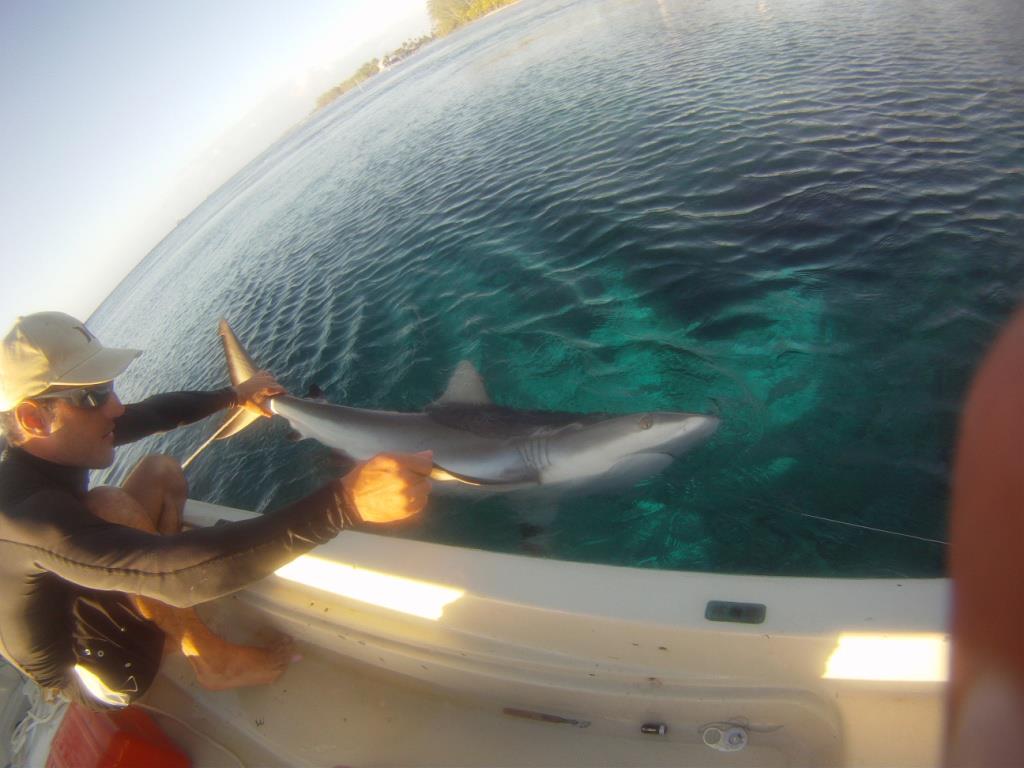
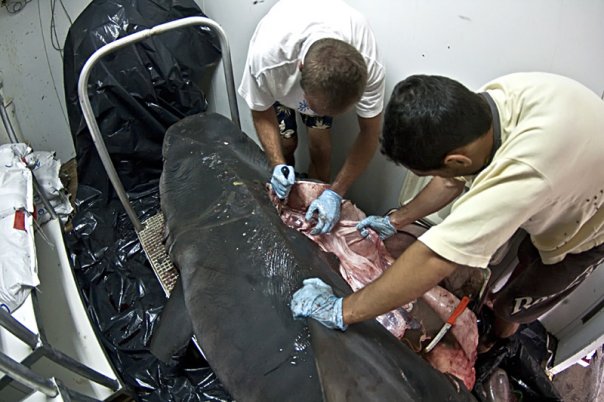
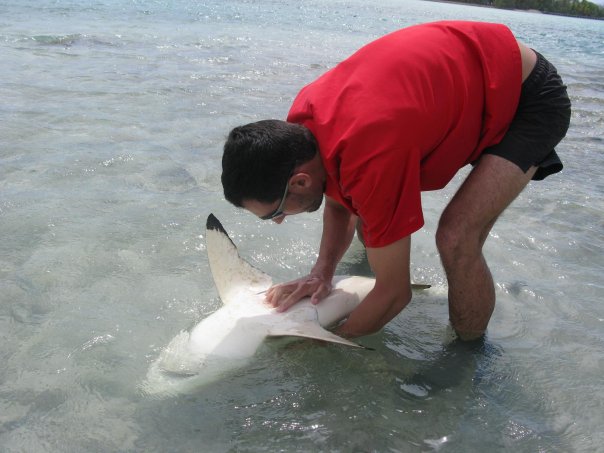
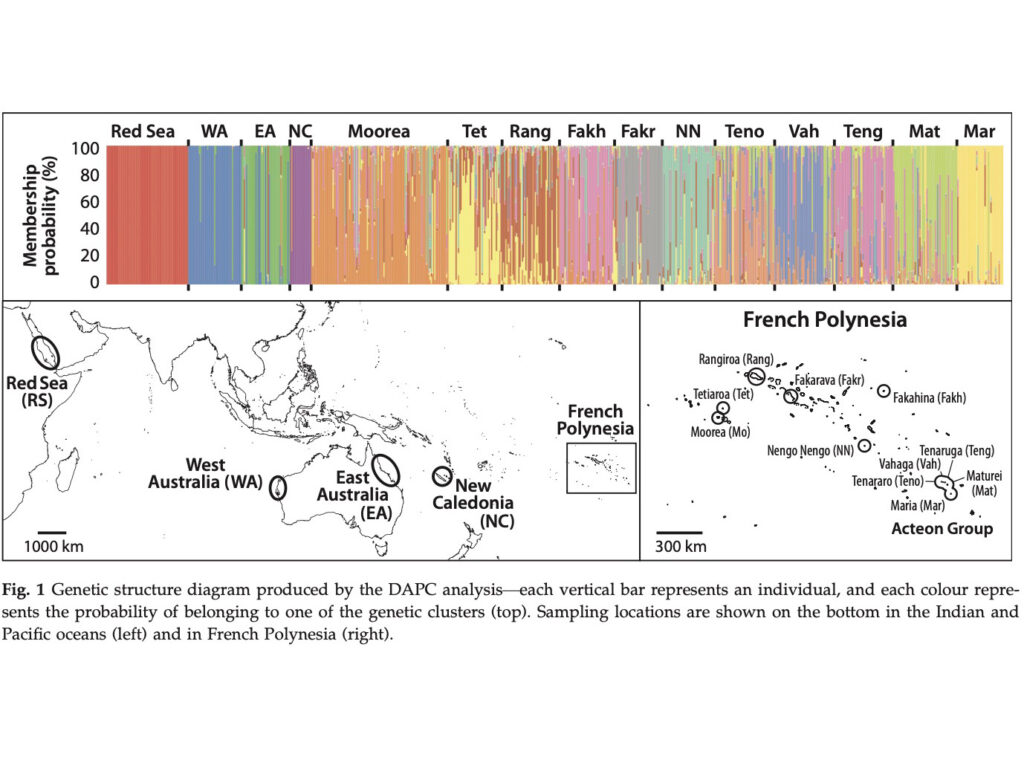
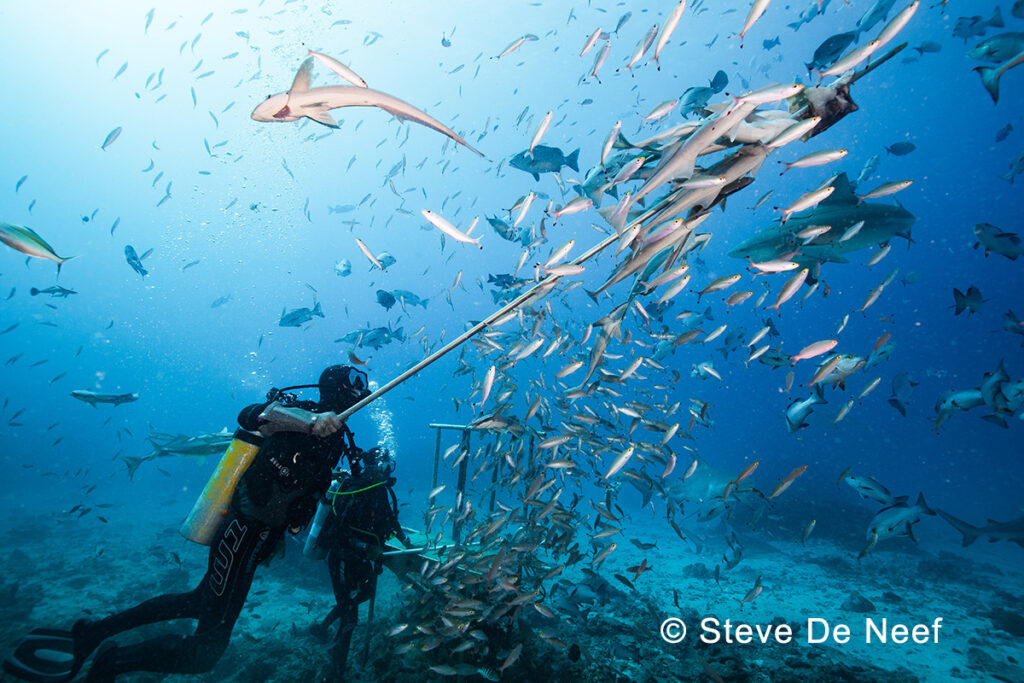
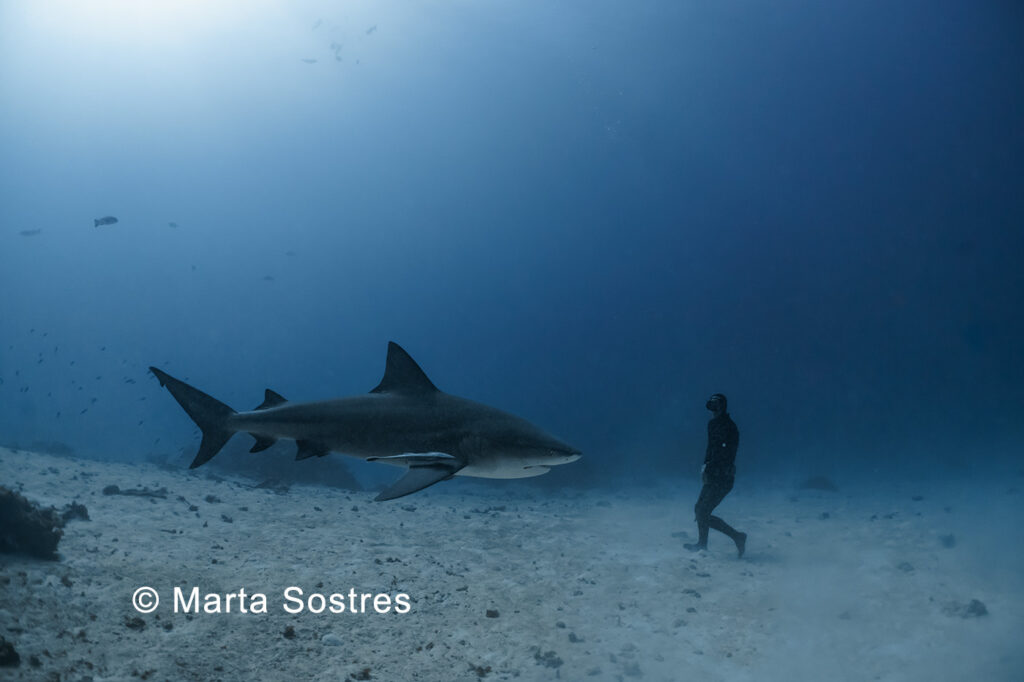
In Fiji I created The Awakening Shark Dive, based on the concept I develop on the Serenity Project and working together with The Barefoot Collection from the island of Kuata. I recently published an article on bull shark personalities, and we are working with funds from EthoPredator to grow this research to new level. One way to do this is by supervising Jan’s PhD in a still ongoing success with many great results to be published soon. I also supervise other student’s work on other local projects such as coral or smaller sharks.
I am still the scientific and technical referent to everything that happens there underwater, from developing new techniques and equipment to adapting and improving everything we do.
In parallel I work with Blue Alliance, Marine Protected Areas as an advisor for research projects as well as for developing Eco-touristic approaches.
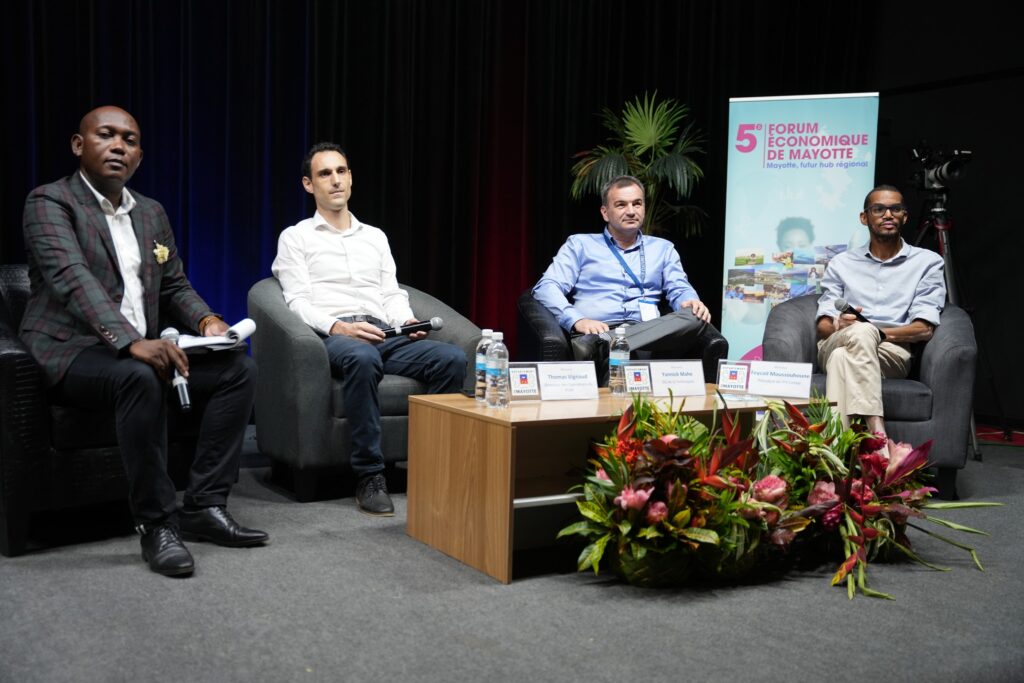
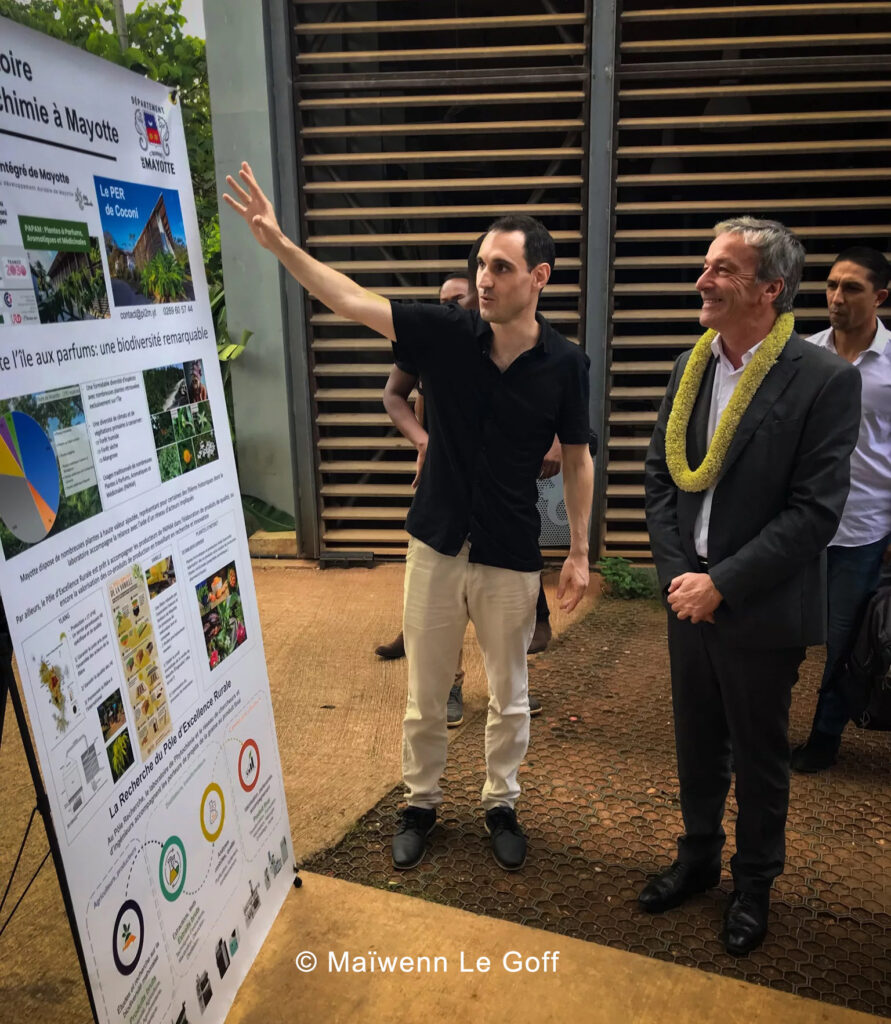
More recently I worked on the island of Mayotte as the Director of Operation for the PI2M project. We focus on sustainable development using tools such as research, innovation, and an extended network on both green and blue economy.
Papers:
– Bierwirth, J., Vignaud, T., Séguigne, C., & Clua, E. (2025). Opportunities for science in touristic shark feeding aggregations – A review. Global Ecology and Conservation, 62, e03690. https://doi.org/10.1016/j.gecco.2025.e03690
– Clua, E. E. G., Vignaud, T., & Wirsing, A. J. (2025). The Talion law “tooth for a tooth”: self-defense as a motivation for shark bites on human aggressors. Frontiers in Conservation Science, 6, 1562502. https://doi.org/10.3389/fcosc.2025.1562502
– Clua, E. E. G., Meyer, C. G., Freeman, M., Baksay, S., Bidenbach, H., Haguenauer, A., Linnell, J. D. C., Séguigne, C., Surina, S., Vely, M., Vignaud, T., & Planes, S. (2024). First evidence of individual sharks involved in multiple predatory bites on people. Conservation Letters, e13067. https://doi.org/10.1111/conl.13067
– Vignaud, T., Meyer, C., Séguigne, C., Bierwirth, J., & Clua, E. (2023). Examining individual behavioural variation in wild adult bull sharks (Carcharhinus leucas) suggests divergent personalities. Behaviour, 160(11-14), 1283-1301. https://doi.org/10.1163/1568539X-bja10244
– Séguigne, C., Vignaud, T., Meyer, C., Bierwirth, J., & Clua, É. (2023). Evidence of long-lasting memory of a free-ranging top marine predator, the bull shark Carcharhinus leucas. Behaviour, 160(11-14), 1303-1318. https://doi.org/10.1163/1568539X-bja10240
– Lesturgie, P., Braun, C. D., Clua, E., Mourier, J., Thorrold, S. R., Vignaud, T., Planes, S., & Mona, S. (2023). Like a rolling stone: Colonization and migration dynamics of the gray reef shark (Carcharhinus amblyrhynchos). Ecology and Evolution, 13, e9746. https://doi.org/10.1002/ece3.9746
– Séguigne, C., Mourier, J., Vignaud, T., Buray, N., & Clua, É. (2022). Effects of a COVID-19 lockdown-induced pause and resumption of artificial provisioning on blacktip reef sharks (Carcharhinus melanopterus) and pink whiprays (Pateobatis fai) in French Polynesia (East-Pacific). Ethology, 128, 119–130. https://doi.org/10.1111/eth.13246
– E. E. G. Clua, C. Meyer, J. Linnell, S. Baksay, A. Haguenauer, M. Vely, T. Vignaud, S. Planes. (2022) Using genetic profiling for short and long term improved and eco-responsible management of shark problem individuals. https://doi.org/10.21203/rs.3.rs-549718/v3
– Brunnschweiler, J. M., T. M. Vignaud, I. M. Côté, and A., Maljković. 2020. The costs of cohabiting: the case of sharksuckers (Echeneis naucrates) and their hosts at shark provisioning sites. Ecology101(12):e03160. 10.1002/ecy.3160
– Clua, E and Vignaud T. (2016) Possible collapse of reef shark populations in remote coral reef ecosystems in the Coral Sea (Western Pacific). Cybium 2016, 40(1): 51-59.
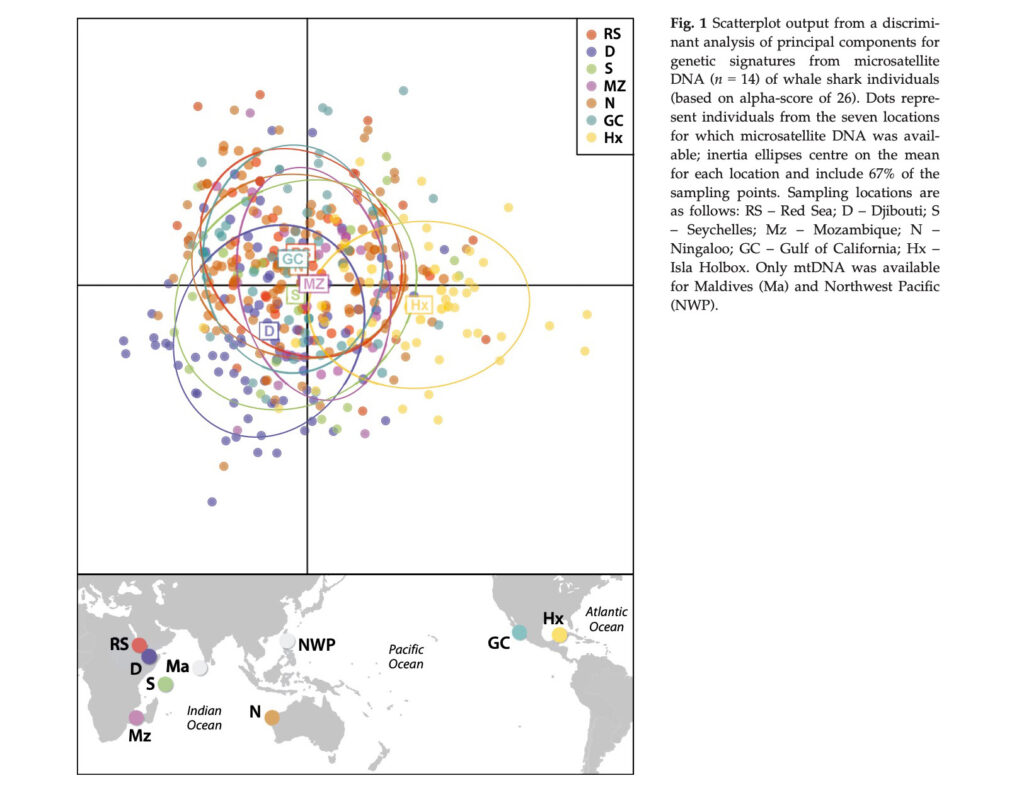
– Vignaud TM, Maynard JA, Leblois R, Meekan MG, Vázquez-Juárez R, Ramírez-Macías D, Pierce SJ, Rowat D, Berumen ML, Beeravolu C, Baksay S, Planes S (2014) Genetic structure of populations of whale sharks among ocean basins and evidence for their historic rise and recent decline. Molecular Ecology, 23: 2590–2601. doi: 10.1111/mec.12754
– Vignaud TM, Mourier J, Maynard JA, Leblois R, Spaet J, Clua E, Neglia V, Planes S (2014) Blacktip reef sharks, Carcharhinus melanopterus, have high genetic structure and varying demographic histories in their Indo-Pacific range. Molecular Ecology, 23: 5193-5207. doi: 10.1111/mec.12936
– Vignaud TM, Clua E, Mourier J, Maynard J, Planes S (2013) Microsatellite Analyses of Blacktip Reef Sharks (Carcharhinus melanopterus) in a Fragmented Environment Show Structured Clusters. PLoS ONE 8(4): e61067. doi:10.1371/journal.pone.0061067